downhill game
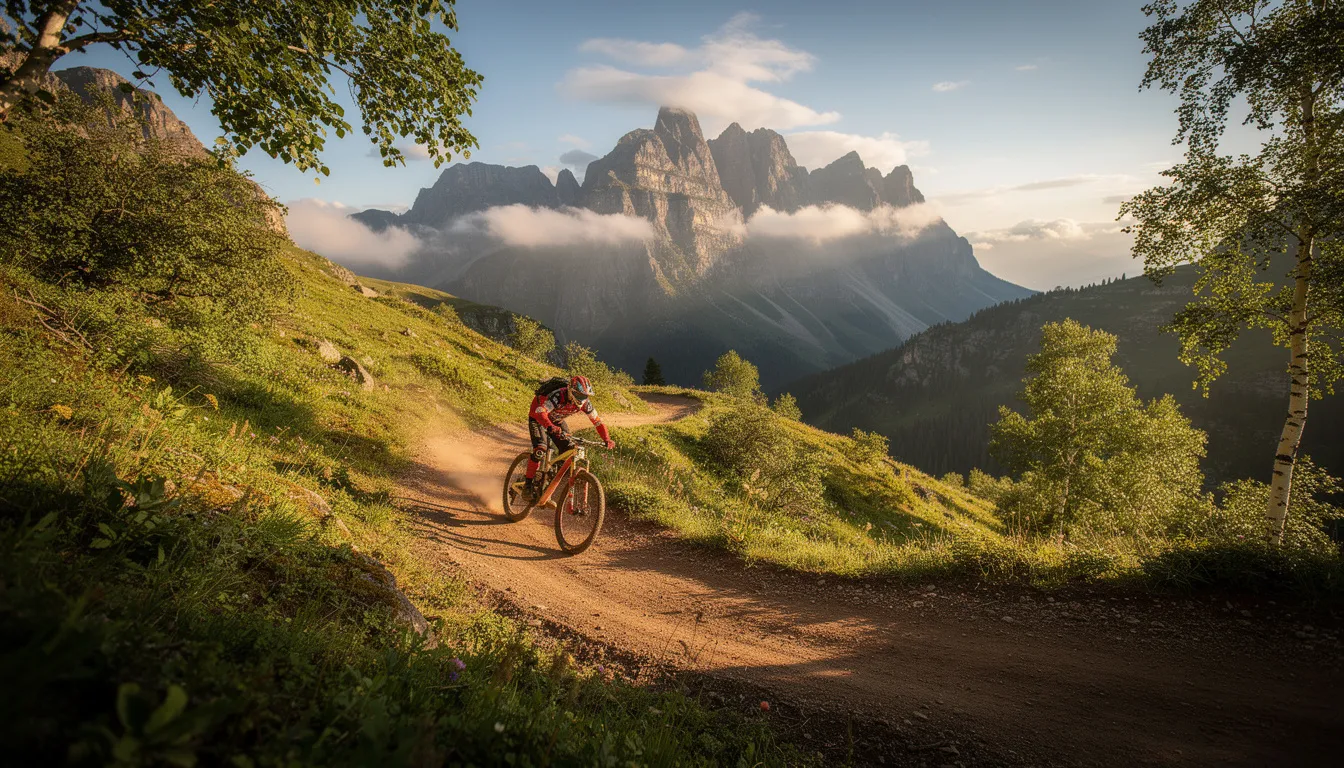
Imagine hurtling down a steep, winding trail at breathtaking speeds, adrenaline coursing through your veins as you navigate treacherous turns and obstacles. This is the essence of downhill racing games, where the thrill of competition meets the rush of extreme sports. But did you know that the intricacies of these games go far beyond simply racing against opponents? In the realm of downhill racing, mechanics play a pivotal role in determining not just the outcome of a race, but also the entire gaming experience.
Consider the impact of terrain on gameplay. Each course is meticulously designed, incorporating various environmental factors that challenge players in unique ways. From rocky paths that require precise steering to smooth surfaces that allow for high speed drifting, the game mechanics are finely tuned to replicate the physics of real world downhill racing. This attention to detail not only enhances immersion but also requires players to adapt their strategies based on the terrain they encounter. The ability to read the track and adjust accordingly can mean the difference between victory and defeat.
Moreover, the customization options available in downhill racing games add another layer of depth. Players are not just racing, they are also engineers of their own success. The choice of bike, upgrades, and tuning adjustments can significantly affect performance. A lightweight bike may offer speed advantages, while a sturdier model might provide better control on rugged trails. Understanding the interplay between these choices and the specific demands of each course is crucial for maximizing a player’s potential. This strategic element elevates the gameplay from mere racing to a complex decision making process, where each choice can lead to dramatically different outcomes.
Additionally, multiplayer dynamics introduce a competitive edge that transforms the experience further. Whether racing against friends or online opponents, the social aspect of downhill racing games fosters a sense of community and rivalry. Players must not only master the mechanics of their own bike but also anticipate and counter the strategies of their competitors. This layer of psychological warfare, where players gauge the skills and tactics of others, enhances the thrill of each race. It’s not just about speed, it’s about outsmarting your rival in an ever evolving landscape of challenges.
Furthermore, the integration of cheat codes and unlockable content can dramatically shift gameplay dynamics. While some purists argue that using cheats undermines the integrity of the game, others see it as a way to explore the full spectrum of what downhill racing has to offer. Unlocking new characters or gaining access to powerful upgrades can provide a fresh perspective and invigorate the gaming experience, allowing players to experiment with different styles and strategies without the pressure of competition.
As we delve deeper into the mechanics that define downhill racing games, it becomes clear that the allure lies not just in the adrenaline rush of speed but in the intricate systems that govern performance, strategy, and player interaction. The art of mastering downhill racing is a multifaceted journey that combines skill, strategy, and a deep understanding of the game’s mechanics. Each race becomes a test of not only reflexes but also intellect and adaptability, making the experience rich and rewarding for players of all skill levels. Whether you’re a casual gamer seeking thrills or a competitive player striving for mastery, the world of downhill racing has something unique to offer.
Dalam dunia permainan balap, khususnya dalam konteks permainan downhill, terdapat banyak strategi dan teknik yang dapat membantu pemain meraih performa optimal. Salah satu aspek yang sering diabaikan adalah penguasaan teknik manuver sepeda. Meskipun kecepatan adalah kunci dalam balap downhill, kemampuan untuk melakukan manuver dengan tepat di tikungan tajam dan medan yang tidak rata sering kali menjadi penentu antara menang dan kalah.
Teknik manuver yang baik tidak hanya bergantung pada kecepatan, tetapi juga pada pengaturan berat badan dan posisi tubuh pemain. Pemain yang mahir dapat mengubah posisi tubuh mereka untuk memfokuskan berat badan ke depan atau belakang sepeda, tergantung pada jenis tikungan atau rintangan yang dihadapi. Misalnya, untuk tikungan tajam, menggeser berat badan ke belakang dapat membantu menstabilkan sepeda dan mencegah terjatuh. Sementara itu, saat meluncur menurun, memposisikan tubuh lebih ke depan bisa meningkatkan kecepatan dan kontrol.
Selain itu, pemilihan gear yang tepat juga memainkan peran penting dalam performa balap. Gear yang lebih ringan memungkinkan akselerasi yang lebih cepat, tetapi gear yang lebih berat bisa memberikan kecepatan tinggi pada lintasan lurus. Pemain harus tahu kapan harus beralih antara gear untuk memaksimalkan kecepatannya berdasarkan kondisi trek yang berbeda. Ini menambah dimensi strategi yang membuat downhill racing game semakin menarik.
Dalam permainan seperti “Downhill Domination,” elemen interaksi antara teknik manuver dan pengaturan gear ini menjadi sangat penting. Pemain harus mampu membaca situasi secara cepat dan membuat keputusan yang tepat dalam waktu singkat. Keterampilan ini tidak hanya datang dari pengalaman, tetapi juga dari pemahaman yang mendalam tentang mekanika permainan. Menguasai cara beradaptasi dengan berbagai jenis medan dapat memberikan keunggulan kompetitif yang signifikan.
Aspek lain yang sering kali luput dari perhatian adalah pentingnya penguasaan garis balap. Mengambil garis balap yang tepat saat menavigasi tikungan dapat mengurangi waktu tempuh secara signifikan. Pemain harus mampu memprediksi lintasan yang paling efisien, yang tidak hanya mengandalkan intuisi tetapi juga pengalaman dari balapan sebelumnya. Dalam konteks ini, latihan menjadi kunci, di mana semakin sering pemain berlatih, semakin baik mereka dalam menentukan garis balap yang optimal.
Faktor faktor eksternal, seperti cuaca dan kondisi lintasan, juga berpotensi mempengaruhi hasil balapan. Lintasan basah atau berlumpur, misalnya, dapat mempengaruhi grip sepeda dan memaksa pemain untuk menyesuaikan teknik manuver mereka. Oleh karena itu, keterampilan adaptasi menjadi hal yang krusial. Pemain yang mampu merespons dengan cepat terhadap perubahan kondisi akan memiliki keunggulan dalam meraih kemenangan di lintasan.
Di samping itu, aspek mental dalam downhill racing game tidak boleh diabaikan. Kesiapan mental dan kemampuan untuk tetap fokus di tengah tekanan kompetisi sering kali menjadi perbedaan antara pemenang dan pecundang. Pemain yang dapat mengelola stres dan tetap tenang dalam situasi yang menegangkan biasanya akan melakukan keputusan yang lebih baik dan berhasil mencapai garis finish dengan performa yang optimal.
Dengan memahami berbagai mekanisme ini, pemain tidak hanya dapat meningkatkan keterampilan mereka dalam downhill racing game, tetapi juga merasakan kepuasan lebih dalam setiap balapan. Mempelajari teknik manuver, pengaturan gear, dan strategi garis balap akan memberikan keuntungan yang lebih besar, memungkinkan pemain untuk merasakan pengalaman balap yang lebih mendalam dan memuaskan.
Fondasi Balapan Downhill: Sejarah dan Prinsip Utama
Downhill racing games, an exhilarating sub genre of racing video games, have evolved significantly since their inception, intertwining gaming mechanics with the thrill of extreme sports. At their core, these games simulate the experience of racing down steep gradients, often incorporating the challenges of real world downhill racing into their gameplay. A fundamental aspect of downhill racing games is the physics engine that underpins them. This engine governs how vehicles interact with the terrain, ensuring a realistic experience where speed, gravity, and friction play critical roles.
Historically, downhill racing games gained prominence in the late 1990s and early 2000s, with titles like “Downhill Domination” paving the way for future developments in the genre. These games often featured a variety of courses set in stunning environments, from lush forests to rugged mountain trails. The design of these courses is essential, as each one presents unique challenges that test players’ reflexes and decision making skills. For instance, a course with tight hairpin turns will require players to master braking and acceleration, while a path strewn with obstacles demands quick reactions and precise control.
The mechanics of downhill racing games extend beyond mere speed and control, they also encompass the strategic use of power ups and abilities. Players can often collect items that provide temporary boosts or advantages, such as speed boosts or invincibility shields. This layer of strategy adds depth to the gameplay, as players must decide when to use these power ups for maximum effect, especially in close races where every second counts. The competition becomes not just about raw speed but also about smart decision making and timing.
Customization plays a pivotal role in the overall experience of downhill racing games. Players are given the tools to modify their bikes or vehicles, affecting performance characteristics such as speed, handling, and durability. This personalization allows gamers to tailor their gameplay experience to fit their unique play style. For example, a player who prefers aggressive racing might opt for a bike with high acceleration and speed, while a more cautious player may choose a vehicle with better handling to navigate tricky courses more efficiently. The balance between speed and control is a critical aspect of the gameplay, as players must constantly adapt their strategies based on the customization choices they make.
Moreover, the multiplayer aspect of downhill racing games enhances the competitive experience. Online and local multiplayer modes allow players to challenge friends or compete against others worldwide. This interaction not only boosts engagement but also fosters a community where players can share tips, tricks, and strategies. The thrill of racing against real opponents adds an unpredictable element to the game, as human competitors can employ various tactics that computer controlled racers cannot.
The visual and audio presentation also plays an integral role in immersing players in the world of downhill racing. High quality graphics bring the environments to life, while dynamic sound effects enhance the sense of speed and adrenaline. The combination of stunning visuals and immersive audio creates a captivating atmosphere that keeps players returning for more.
In summary, the mechanics of downhill racing games encompass a rich blend of physics, strategic gameplay, customization, and multiplayer interactions, all set against the backdrop of beautifully designed courses. This fusion of elements not only replicates the excitement of real world downhill racing but also crafts a unique gaming experience that continues to evolve, engaging players in ever more thrilling ways.
Anatomy of Downhill Racing Game Mechanics
In the world of downhill racing games, the intricacies of gameplay mechanics are pivotal for a truly immersive experience. One key aspect is the physics engine, which simulates real world dynamics and influences how the player interacts with the environment. This engine governs aspects such as gravity, friction, and momentum, creating a realistic feel that affects speed and control. For instance, in a game like “Downhill Domination,” players must account for how their bike handles on various terrains, whether it’s a muddy path or a rocky downhill stretch. A well designed physics engine allows for a nuanced experience where players can feel the weight of their bike and the effects of acceleration, making every turn and jump feel authentic.
Another critical component is the AI behavior of opponents. In downhill racing games, AI opponents are programmed with varying levels of difficulty, each exhibiting distinct racing styles and tactics. This diversity forces players to adapt their strategies on the fly. For example, aggressive AI racers might take risky shortcuts, while others may opt for a more conservative approach. This differentiation not only enhances the competition but also provides players with a sense of unpredictability, akin to facing human opponents. The challenge intensifies when these AI racers respond to the player’s actions, creating a dynamic racing environment that requires quick reflexes and strategic thinking.
Customization options play a vital role in how players engage with downhill racing games. Beyond just selecting a bike, players can often fine tune aspects such as gear ratios, suspension settings, and tire types to match their racing style and the demands of the course. For example, a steep downhill track with sharp turns might require a bike with excellent grip and responsive handling, prompting players to adjust their bike’s specifications accordingly. This level of customization empowers players to experiment with different setups and discover what works best for their unique racing approach. Moreover, the satisfaction of creating a finely tuned racing machine adds a layer of personal investment in the game.
The inclusion of power ups and boosts is another exciting mechanic that can significantly alter the gameplay experience. Power ups can provide speed bursts, enhance control, or even offer temporary invincibility, adding an element of strategy to races. Players must decide the optimal moments to utilize these boosts, balancing the risk of using them too early against the potential reward of gaining an edge over competitors. This mechanic introduces a layer of tactical depth, encouraging players to think critically about their race strategy while navigating the nuances of the downhill course.
Environmental factors also play an essential role in shaping the gameplay. Weather conditions such as rain or fog can drastically affect visibility and traction, compelling players to adjust their racing style. For example, a wet track may lead to slipping and sliding, necessitating more cautious handling. This realism not only elevates the gaming experience but also mirrors the unpredictability of actual downhill races. Players must constantly adapt to changing conditions, which keeps the gameplay fresh and engaging.
Lastly, the integration of realistic sound design enhances immersion in downhill racing games. The roar of the wind, the crunch of gravel under tires, and the sounds of opponents racing alongside create an auditory landscape that pulls players deeper into the experience. This attention to sound details complements the visual aspects, creating a cohesive environment that captures the essence of downhill racing.
In summary, the mechanics of downhill racing games encompass a rich tapestry of elements that interact to create an engaging and thrilling experience. From the physics engine that governs movement to the personalized touch of bike customization, each component plays a crucial role in shaping gameplay. As players navigate these intricacies, they not only compete for victory but also immerse themselves in a world that challenges their skills and strategies, making downhill racing games a captivating genre for enthusiasts.
Dampak Permainan Downhill di Berbagai Bidang
The world of downhill racing games, while primarily focused on speed and competition, also serves as a fascinating microcosm of broader societal and industry trends. As technology evolves, so do the mechanics and experiences offered in these games, creating a significant impact not just on players but also on the gaming industry and even on real world sports.
One prominent example is the rise of virtual reality (VR) in downhill racing games. With the advent of VR technology, developers have begun to create immersive experiences that mimic the physical sensations of racing through steep terrains. This innovation has changed the way players engage with the game, making the experience more visceral and realistic. For instance, games like “Descenders” utilize VR to allow players to navigate downhill courses with a level of engagement that traditional console games cannot match. This shift not only enhances gameplay but also reflects a growing trend in the gaming industry towards more immersive experiences. As players seek more realistic simulations, developers are tasked with pushing the boundaries of what is possible in game design, which in turn influences the direction of technological advancements.
Furthermore, downhill racing games also contribute significantly to the development of esports. Competitions centered around these games have gained traction, attracting both players and spectators. Events like the “Downhill Racing Championship” have established a platform for competitive racing, where gamers can showcase their skills and compete for prizes. This phenomenon has parallels in traditional sports, where competitive cycling and downhill racing garner significant attention. By creating a bridge between virtual and real world sports, downhill racing games not only entertain but also inspire a new generation of athletes who may transition into actual downhill racing, thereby influencing sports culture at large.
The customization aspect of downhill racing games cannot be overlooked, as it plays a crucial role in player engagement and strategy. Players often find joy in fine tuning their bikes, selecting upgrades, and experimenting with different configurations to find the optimal setup for each race. This level of personalization reflects a larger trend in gaming where players desire agency over their experiences. For instance, a player might choose a lightweight bike for speed on a smooth trail, while opting for a sturdier model with better handling on rocky descents. This mechanic not only enhances the gameplay but also mirrors the real world decision making processes that athletes face when preparing for races. As players engage in these decisions, they develop a deeper understanding of the mechanics involved in downhill racing, further bridging the gap between virtual and real world racing.
Moreover, the social aspect of downhill racing games plays a significant role in their impact on society. Online multiplayer modes allow players to connect, compete, and share experiences with others worldwide. This communal aspect fosters a sense of belonging and can lead to the formation of communities centered around shared interests in downhill racing. Players often share tips, tricks, and strategies, which enhances the learning experience and encourages collaboration. This social interaction is particularly important in today’s digital age, where many individuals seek connections through online platforms. As a result, downhill racing games contribute not only to personal skill development but also to forging friendships and networks that extend beyond the game.
In addition to entertainment, downhill racing games often serve as a platform for promoting environmental awareness. Several games incorporate real world terrains and landscapes, thereby educating players about the importance of nature preservation and the challenges faced by various ecosystems. By navigating these environments, players become more aware of the ecological impacts of downhill racing and the importance of sustainable practices in both the virtual and real worlds. This educational aspect helps to instill a sense of responsibility among players, encouraging them to think critically about their interactions with the environment.
In conclusion, the influence of downhill racing games extends well beyond the confines of entertainment. They encapsulate technological advancements, foster competitive spirit, encourage social connectivity, and promote environmental consciousness. As players engage with these games, they become part of a larger narrative that intertwines gaming culture with real world implications, ultimately shaping the future of both the gaming industry and the sport of downhill racing itself.
Tantangan dan Kontroversi dalam Permainan Downhill
Implementasi permainan downhill tidak terlepas dari tantangan yang kompleks dan kontoversi yang sering memicu perdebatan di kalangan pengembang, pemain, dan kritikus. Salah satu tantangan utama adalah menciptakan pengalaman balap yang realistis tanpa mengorbankan kesenangan. Menurut Dr. Alex Thompson, seorang ahli desain game, “Keseimbangan antara realisme fisika dan gameplay yang menyenangkan adalah tantangan terbesar dalam pengembangan downhill racing game. Terlalu banyak realisme bisa membuat permainan menjadi sulit dan frustasi, sedangkan terlalu sedikit dapat menghilangkan elemen kompetitif.”
Selain itu, aspek teknis dalam pengembangan downhill racing game juga memunculkan batasan. Misalnya, pengembang harus mempertimbangkan berbagai perangkat keras yang digunakan pemain. Permainan yang dirancang untuk platform dengan spesifikasi tinggi mungkin tidak berjalan dengan baik pada perangkat yang lebih tua. Ini menciptakan kesenjangan dalam aksesibilitas, di mana beberapa pemain mungkin terpinggirkan. “Memastikan bahwa permainan dapat diakses oleh semua kalangan, sambil tetap mempertahankan kualitas grafis dan mekanika gameplay yang diharapkan, adalah tantangan yang harus dihadapi setiap pengembang,” kata Sarah Kim, seorang analis game.
Kontroversi juga sering muncul seputar elemen kompetitif dalam downhill racing game. Beberapa pemain merasa bahwa penggunaan cheat, seperti kode yang memungkinkan pemain untuk membuka semua karakter atau mendapatkan kemenangan otomatis, merusak integritas permainan. Namun, ada argumen bahwa cheat bisa meningkatkan kesenangan dan memberikan kesempatan bagi pemain baru untuk merasakan pengalaman penuh dari game tersebut. “Sementara cheat dapat dianggap sebagai bentuk curang, mereka juga dapat berfungsi sebagai alat untuk eksplorasi dan eksperimen dalam game,” jelas Mark Johnson, seorang gamer veteran.
Batasan lain yang dihadapi adalah dalam hal desain trek. Trek yang terlalu sulit atau tidak seimbang dapat membuat frustrasi pemain, sedangkan trek yang terlalu mudah mungkin tidak memberikan tantangan yang memadai. “Desain trek adalah seni dalam dirinya sendiri. Trek yang ideal harus menantang tetapi masih memungkinkan pemain untuk merasakan kemajuan dan pencapaian,” ungkap Laura Chen, seorang desainer level.
Di samping itu, ada juga perdebatan mengenai representasi lingkungan di dalam downhill racing game. Banyak game cenderung menggunakan pemandangan yang dibuat secara virtual, yang kadang kadang mengabaikan keberagaman dan keindahan alam yang sebenarnya. “Penting bagi pengembang untuk menyadari bahwa lingkungan yang realistis dapat meningkatkan imersi. Ini bukan hanya tentang kecepatan, tetapi juga tentang pengalaman yang lebih dalam,” kata Dr. Emily Wong, seorang ahli lingkungan dan game.
Dengan menyoroti tantangan dan batasan ini, kita bisa melihat bahwa pengembangan downhill racing game bukan sekadar tentang balapan. Ini adalah proses yang melibatkan banyak pertimbangan teknis, etis, dan estetis. Menciptakan pengalaman yang memuaskan bagi semua pemain memerlukan pemahaman yang mendalam tentang mekanika permainan, serta kesadaran akan dampak dari keputusan desain yang diambil. Sementara downhill racing game terus berkembang, tantangan ini akan tetap menjadi bagian integral dari bagaimana permainan ini dapat memberikan pengalaman yang menyenangkan dan mendalam bagi para pemain di seluruh dunia.
The Future of Downhill Racing Games: Trends and Innovations
As the downhill racing game genre continues to evolve, several current trends are shaping its future trajectory. A notable shift is the integration of augmented reality (AR) and virtual reality (VR) technologies, which promise to redefine player immersion. With VR headsets becoming more accessible, developers are experimenting with ways to create fully immersive downhill racing experiences. Imagine strapping on a VR headset and feeling the rush of wind as you navigate through treacherous mountain trails. This level of engagement could drastically alter how players experience the thrill of downhill racing games, making them feel as if they are truly part of the action.
Moreover, data analytics is becoming increasingly sophisticated within game design. Developers are leveraging player behavior data to refine gameplay mechanics and enhance user experiences. By analyzing how players interact with various game elements, developers can make informed adjustments that cater to player preferences. This data driven approach not only improves game balance but also allows for personalized experiences that keep players engaged longer. For instance, if a particular downhill racing game shows that players struggle with specific courses or techniques, developers can adjust the difficulty or offer tailored tutorials to help them improve, ultimately enhancing the overall gameplay.
Sustainability is another growing trend in the downhill racing game landscape. As environmental awareness increases, developers are beginning to incorporate eco friendly themes and challenges into their games. This could manifest in racing through beautifully rendered landscapes that highlight the importance of preserving nature. By integrating eco conscious elements, downhill racing games not only entertain but also educate players on environmental issues, creating a more socially responsible gaming culture.
Looking ahead, the potential for cross platform play is another factor that could revolutionize downhill racing games. As technology continues to advance, the ability to race against friends on different gaming platforms could become a reality. This would foster a more inclusive gaming community and increase competition, as players from various platforms could join forces or challenge each other in thrilling downhill races. The emergence of cloud gaming services also supports this trend, allowing players to access high quality racing experiences on multiple devices without the need for expensive hardware upgrades.
Expert insights suggest that as the market for downhill racing games expands, so too will the demand for innovative gameplay features. Developers are likely to explore the integration of machine learning algorithms to create dynamic in game environments. This could lead to courses that adapt in real time to player performance, providing a unique challenge every time the game is played. Such advancements could set a new standard for what players expect from downhill racing games, pushing the boundaries of creativity and technical achievement.
In conclusion, the downhill racing game genre stands at a crossroads of technological advancement and player expectation. With the potential for AR and VR integration, data analytics shaping gameplay, a focus on sustainability, the rise of cross platform play, and the adoption of machine learning, the future of downhill racing games looks promising. These innovations will not only enhance gameplay but also create deeper connections between players and the virtual worlds they navigate. As developers continue to push the envelope, players can anticipate a thrilling evolution of downhill racing games that blends excitement with a progressive vision for the future.
Q: What is “Downhill Domination” and how does it differ from other downhill racing games?
A: “Downhill Domination” is a downhill racing game developed for the PlayStation 2, focusing on competitive mountain biking. Unlike many other racing games, it features a unique combination of racing mechanics, trick systems, and a vibrant, exaggerated art style that emphasizes both speed and style during downhill races.
Q: Are there any cheat codes available for “Downhill Domination” and how can they enhance gameplay?
A: Yes, “Downhill Domination” includes various cheat codes that players can use to unlock all characters and enable features like auto win. These cheats can significantly enhance gameplay by allowing players to experiment with different characters and strategies without the usual gameplay limitations.
Q: What are the main features of “Downhill Domination” that attract players?
A: Key features of “Downhill Domination” include a diverse selection of characters, customizable bikes, and a variety of tracks set in different environments. Additionally, the game offers a robust trick system, allowing players to perform stunts that can earn them points and enhance their racing experience.
Q: How does “Downhill Domination” compare to real-life downhill biking events, such as those seen in the SEA Games?
A: While “Downhill Domination” is a fictional representation of downhill biking, it captures the essence of speed and competition similar to real-life events like those in the SEA Games. However, the game is more focused on arcade-style racing and tricks, whereas real-life downhill biking involves technical skill and outdoor conditions.
Q: Is “Downhill Domination” still relevant in today’s gaming landscape?
A: Although “Downhill Domination” was released in the early 2000s, its cult following and nostalgic value keep it relevant among retro gaming enthusiasts. While newer downhill racing games have emerged, the unique mechanics and fun gameplay of “Downhill Domination” continue to attract interest from both old and new players alike.
As we conclude this comprehensive exploration of downhill racing game mechanics, it becomes clear that these exhilarating experiences are shaped by a multitude of intricacies. The combination of terrain dynamics, player customization, and the physics that govern gameplay are not merely technical details, they are the very essence that makes downhill racing games captivating. The variety of courses, each designed with unique challenges, pushes players to refine their skills and adapt their strategies, fostering not just competition but also a deeper connection to the game.
Customization options serve as a significant aspect of this genre, allowing players to engineer their success. The choice of equipment, be it a lightweight frame or specialized tires, can dramatically alter performance. This element of personal investment not only enhances the gameplay experience but also encourages players to continuously learn and evolve, making each race a unique journey. The strategic depth that arises from these customization choices is a testament to the game’s design, engaging players on multiple levels.
Moreover, the thrill of downhill racing is amplified by the adrenaline rush that accompanies high speed descents and sharp turns. The mechanics are meticulously crafted to mirror the real world physics of downhill biking, which adds authenticity to the experience. This realism helps bridge the gap between virtual racing and real life downhill sports, making the gameplay feel immediate and visceral. Players are not just passive observers, they become active participants in a high stakes environment that requires skill, reflexes, and strategic thinking.
The community surrounding downhill racing games further enriches the experience. Players share tips, race strategies, and even custom tracks, creating a lively dialogue that enhances the overall culture of the game. This social aspect encourages a sense of belonging and collaboration, reinforcing the idea that while racing may be competitive, it is also a shared passion that unites players across the globe.
As we have seen, the significance of downhill racing games extends beyond mere entertainment, these games encapsulate the spirit of adventure, challenge, and camaraderie. They invite players not only to compete but also to innovate, experiment, and push their limits. With constant technological advancements and evolving gameplay mechanics, the future of downhill racing games promises even more thrilling experiences and opportunities for exploration.
In closing, whether you are a seasoned racer or a newcomer eager to experience the rush, understanding the mechanics behind downhill racing games enriches your journey. It empowers you to take full advantage of the game’s offerings, enhancing your performance and enjoyment. So, gear up, hit the trails, and let the exhilarating world of downhill racing games propel you into your next adventure. The slopes await, and your next victory is just a race away.
As you delve deeper into the world of downhill racing games, we invite you to share your thoughts and experiences in the comments below. Your insights can help foster a vibrant community of enthusiasts eager to explore the intricacies of game mechanics, strategies, and customization options. Whether you’re a seasoned racer or new to the scene, your perspective is invaluable.
If you found this article enlightening, consider passing it along to friends or fellow gamers who might benefit from a deeper understanding of downhill racing. Sharing knowledge not only enhances your own gaming experience but also contributes to a community where players can learn from each other and grow together.
Moreover, for those looking to expand their knowledge further, we encourage you to explore additional resources on downhill racing games. Whether it’s guides, tutorials, or forums dedicated to gameplay strategies, there are countless avenues to enhance your skills and enjoyment. Embrace the thrill of the race and continue your journey into the exhilarating world of downhill gaming!
Sources
1. 41 Cheat Downhill PS2 Terbaru 2022, Lengkap dengan Unlock
2. Daftar Kode Cheat Downhill PS2, Lengkap!
3. Kumpulan Cheat Lengkap Downhill PS2 Unlock All Character Auto
4. Tim Balap Sepeda Indonesia Sabet 3 Emas di SEA Games 2025, Jadi
5. Berita KTP Sakti Hari Ini – Kabar Terbaru Terkini | Liputan6.com