gta 4
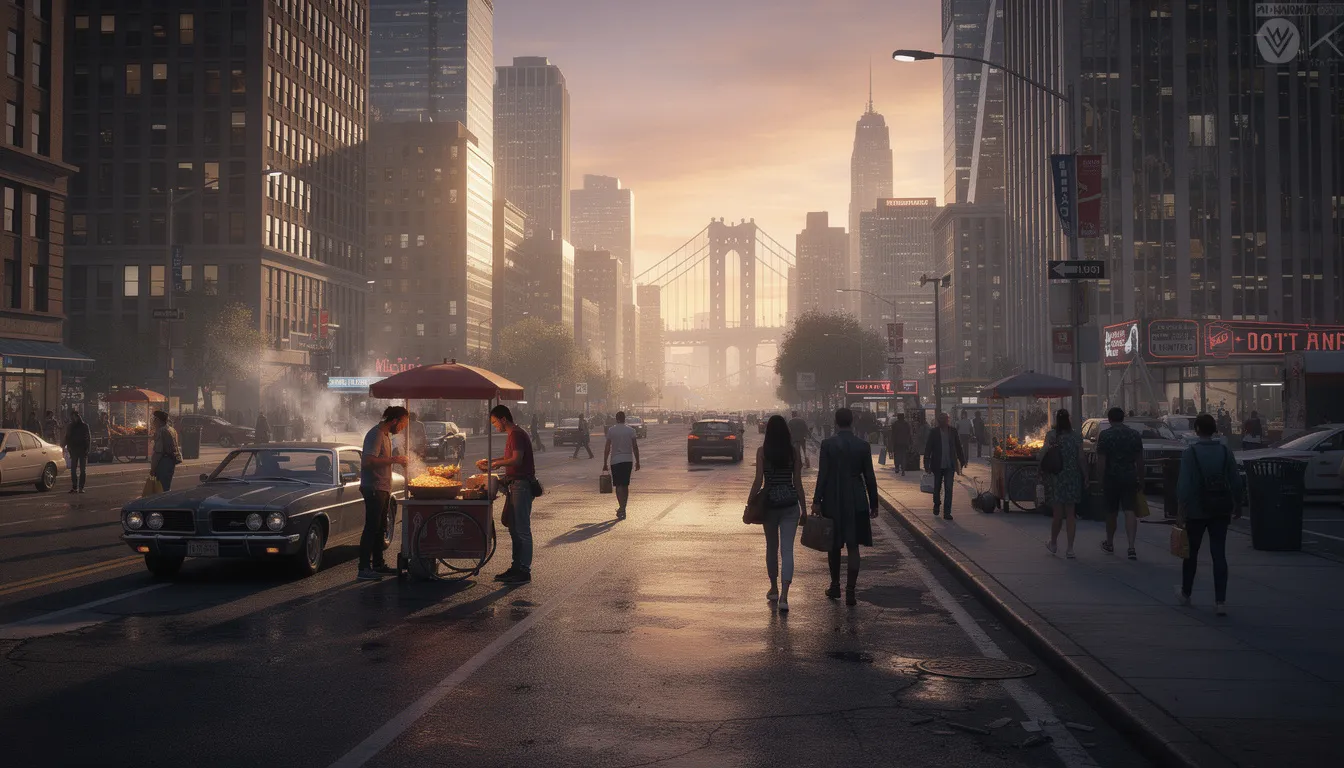
Imagine a world where every decision you make has consequences, and every character you encounter has a life of their own, driven by intricate AI behavior. This is the reality crafted in “GTA 4,” a game that not only revolutionized open world gameplay but also pushed the boundaries of storytelling in video games. Did you know that “GTA 4” was the first in the series to employ a sophisticated physics engine, which not only enhanced vehicle dynamics but also the way characters interact with the environment? This advancement made each car crash, foot chase, and even minor skirmishes feel visceral and real, setting a precedent that many games strive to replicate even today.
What if I told you that “GTA 4” remains a benchmark for narrative depth and player agency? Unlike its predecessors, it intertwines dark themes of betrayal and the pursuit of the American Dream, all while challenging players with morally ambiguous choices. As you navigate the chaotic streets of Liberty City, you are not just a spectator, you are a participant in a sprawling narrative that raises questions about loyalty, ambition, and the price of freedom. The game’s protagonist, Niko Bellic, is not a typical hero. His journey is riddled with complexities that resonate with players, making every interaction and mission feel weighty and consequential.
The gameplay mechanics themselves are a marvel. With a blend of action, exploration, and the freedom to engage in side quests, “GTA 4” offers a dynamic experience that keeps players invested for hours on end. The introduction of the cover system during gunfights transformed combat, allowing for a more tactical approach that felt fresh compared to earlier titles. Coupled with a richly detailed cityscape and a day night cycle that affects gameplay, exploring Liberty City becomes an adventure in itself. You’ll find yourself drawn into its underbelly, forging alliances, and making enemies, all while the city pulses with life around you.
Have you ever considered how “GTA 4” revolutionized multiplayer experiences? It introduced a seamless online mode that allowed players to engage in everything from cooperative missions to chaotic free roam sessions, laying the groundwork for future iterations in the franchise. This multiplayer component not only extended the game’s life but also created a community that thrived on competition and collaboration, proving that the social aspect of gaming was becoming just as important as the single player experience.
The sound design in “GTA 4” is another element that enriches the gameplay. From the radio stations that play an eclectic mix of music to the ambient sounds of Liberty City, every audio detail immerses you deeper into the game. The voice acting is top notch, with performances that bring the diverse cast of characters to life, adding layers to their personalities and making their stories more poignant.
As you delve into “GTA 4,” it becomes clear that this game is not just about completing missions or causing mayhem, it’s about experiencing a narrative that reflects the complexities of life itself. It challenges players to think critically about their choices and the world around them, all while providing an unforgettable gameplay experience. So, if you think you know “GTA 4,” prepare to unearth layers of depth and intricacies that will reshape your understanding of what a video game can achieve.
Exploring the realm of “GTA 4” is more than just a nostalgic trip down memory lane, it’s a deep dive into a carefully crafted universe that continues to influence the gaming landscape today. This article aims to unravel the intricacies of “GTA 4 gameplay,” examining not only the mechanics that make it unique but also the profound themes that resonate throughout the experience. By delving into the rich narrative, character development, and gameplay features, readers will uncover why this game remains a pivotal reference point for developers and players alike.
As we navigate through Liberty City, players are afforded an unprecedented level of freedom, with mechanics that enhance immersion and engagement. The complex interactions between the environment and characters create a living world where the actions of Niko Bellic, the protagonist, ripple through the storyline and shape the fate of those around him. This guide will explore these dynamics in detail, illustrating how the gameplay serves as a vehicle for storytelling, rather than merely a backdrop for action.
In addition to gameplay mechanics, we will discuss the innovative technology behind “GTA 4.” The game introduced a variety of features that revolutionized the open world genre, such as the cover system, advanced AI behaviors, and the euphoria physics engine. These elements not only enriched player interactions but also elevated the emotional weight of each mission. Readers can expect to gain insights into how these advancements have set a standard for future titles, influencing the design philosophies of modern games.
Moreover, “GTA 4” is significant for its exploration of weighty themes such as the American Dream, immigration, and the moral dilemmas faced by its characters. Niko’s journey is fraught with choices that challenge players to reflect on their own values and decisions. As we dissect the narrative arc and character motivations, we will illuminate how these elements contribute to a more impactful gameplay experience, prompting players to engage with the story on a personal level.
Throughout the article, we will provide practical tips and strategies for mastering “GTA 4 gameplay.” From navigating the chaotic streets of Liberty City to effectively managing relationships with NPCs, readers will find a wealth of information that enhances their gameplay experience. Additionally, we will cover various side missions and activities that enrich the game world, encouraging players to fully immerse themselves in every facet of the environment.
As we journey through this ultimate guide, expect to gain a comprehensive understanding of what makes “GTA 4” not just a game, but a cultural phenomenon. The depth of information presented here will equip players, both new and returning, with the tools to appreciate the nuances of this classic title. By the end, you will not only be prepared to tackle the challenges of Liberty City but also to appreciate the intricate design and storytelling that have come to define the Grand Theft Auto series.
In summary, this exploration of “GTA 4 gameplay” promises to be an enriching experience, blending technical insights with narrative depth. It is an invitation to engage with a game that has shaped the industry and continues to resonate with players around the globe. Get ready to dive into a world where every choice matters and every moment is filled with potential.
Foundations of GTA 4: Unpacking Core Principles and Impact
“GTA 4” stands as a pivotal entry in the Grand Theft Auto series, not only for its gameplay but also for its rich historical context that has shaped the landscape of open world gaming. Released in 2008, it marked a significant evolution from its predecessors, embedding deeper narrative elements and more complex character development within the expansive Liberty City. This setting, a fictional but strikingly realistic version of New York City, was meticulously crafted to reflect the gritty reality of urban life, complete with its economic disparities and social struggles. This backdrop enhances the “GTA 4 gameplay,” making it not just a playground for chaos, but a compelling narrative canvas that reflects real world issues.
At its core, “GTA 4” introduced players to Niko Bellic, an Eastern European immigrant whose quest for the American Dream becomes a powerful commentary on the immigrant experience. This narrative depth was a departure from the often superficial stories of earlier titles. The game’s design principles emphasized player choice and consequence, with a narrative structure that allowed for branching paths based on decisions made throughout the gameplay. For instance, players often face moral dilemmas, such as choosing between loyalty to friends or self preservation, which can lead to drastically different outcomes. This level of agency was largely unprecedented in gaming at the time, setting a new standard for narrative driven gameplay.
The technical advancements in “GTA 4” also played a crucial role in its success. The introduction of the Euphoria physics engine allowed for more realistic character movements and interactions within the environment. This meant that actions such as shooting, driving, and even falling were depicted with a level of realism that heightened immersion. The gameplay mechanics encouraged experimentation, players could engage in missions or simply roam the city, creating their own stories within the framework of the game. This open ended approach meant that “GTA 4 gameplay” could be tailored to individual playstyles, whether one preferred to engage in criminal enterprises or simply enjoy the vibrant world Rockstar created.
Moreover, the game’s attention to detail extended beyond its mechanics, the world of Liberty City was alive with the hustle and bustle of everyday life. NPCs exhibited unique behaviors and social interactions, adding to the immersive experience. Players could listen to radio stations that included talk shows and music reflective of the era, further enriching the environment. This level of detail not only enhanced the realism of “GTA 4 gameplay” but also contributed to the game’s overall narrative, as players could witness the everyday lives of the city’s inhabitants, which contrasted sharply with Niko’s tumultuous journey.
In terms of historical impact, “GTA 4” was both celebrated and criticized. Its mature themes and portrayal of violence sparked debates about the influence of video games on society. Critics lauded its storytelling and character development, while others condemned its graphic content. This dichotomy underscored the game’s significance as a cultural artifact, prompting discussions about morality in gaming and its potential to reflect societal issues. The controversies surrounding “GTA 4” helped solidify its place in gaming history as a title that pushed boundaries, both in gameplay mechanics and narrative depth.
In conclusion, “GTA 4” is not merely a game, it is a landmark that redefined the possibilities of interactive storytelling and gameplay within the medium. Its rich historical context, combined with innovative gameplay mechanics and a commitment to realism, ensures that it continues to be a reference point for both players and developers. As we delve deeper into the gameplay features and experiences offered by “GTA 4,” it becomes evident that this title is a masterclass in blending narrative with action, making every encounter and decision feel profoundly impactful.
GTA 4 Gameplay: Key Mechanics and Innovations
The gameplay mechanics of “GTA 4” are intricately designed, creating a balance between realism and entertainment that captivates players. One of the standout features is the cover system, which allows players to engage in firefights with a level of strategy not seen in earlier installments. This system enables Niko to take cover behind various objects, providing a tactical advantage during confrontations. The fluidity of movement in and out of cover enhances the sense of immersion, as players can seamlessly transition between taking cover and attacking, making each encounter feel dynamic and engaging.
Another significant aspect of “GTA 4” gameplay is the introduction of the “Friendship” mechanic. The game emphasizes Niko’s relationships with various characters, impacting gameplay in meaningful ways. Maintaining friendships unlocks new abilities and missions, enriching the player’s experience. For instance, if players foster a friendship with Roman, Niko can call upon him for assistance during missions, such as getting a cab or having backup in a shootout. This mechanic not only adds depth to the narrative but also encourages players to explore the game’s social dynamics, enhancing the overall gameplay experience.
The driving mechanics in “GTA 4” also deserve attention. The game’s physics engine brings a level of realism that affects how vehicles handle. Each car feels distinct, with weight and momentum playing crucial roles in how they respond to player inputs. Players must adapt their driving style to different vehicles, whether they’re navigating the tight alleys of Broker or speeding along the highways of Algonquin. This attention to detail creates a more authentic driving experience, compelling players to master each vehicle’s unique characteristics for optimal performance during missions or pursuits.
A noteworthy feature that adds depth to the gameplay is the inclusion of phone interactions. Niko can receive calls, send texts, and even check voicemail, which integrates seamlessly into the narrative. This feature allows players to engage with the game’s world in a more personal way, as they can receive mission updates or social invitations through their phone. The ability to choose how Niko interacts with other characters also emphasizes player agency, allowing for varied gameplay experiences based on individual choices.
Moreover, the game’s open world design encourages exploration, offering countless side missions, activities, and hidden collectibles. Players can engage in everything from street races and vigilante missions to participating in the unique “lawn mowing” side activity. These elements not only provide a break from the main storyline but also enrich the gameplay experience, allowing players to immerse themselves in the vibrant life of Liberty City. The sheer volume of activities available ensures that players can tailor their gameplay experience according to their preferences, whether they seek action, exploration, or social engagement.
The attention to detail in “GTA 4” extends beyond gameplay mechanics to the in game environment itself. Liberty City is a living, breathing entity, complete with pedestrians who react to players’ actions and dynamic weather effects that influence gameplay. The day night cycle and varying weather conditions can affect mission outcomes, as visibility changes during nighttime or rain can hinder a player’s ability to navigate or execute plans. This level of environmental interactivity adds an additional layer of challenge and realism that enhances the overall gameplay experience.
In conclusion, the gameplay of “GTA 4” is a multifaceted experience characterized by its intricate mechanics, realistic driving dynamics, and rich social interactions. The combination of these elements not only captivates players but also sets a high standard for future open world games. As players dive into the chaotic streets of Liberty City, they are met with a complex web of choices and consequences that make every moment memorable. The enduring legacy of “GTA 4” is a testament to its innovative gameplay design, which continues to influence the genre and inspire developers around the world.
Real World Influence of GTA 4 on Society
“GTA 4” serves not only as a landmark title in gaming but also as a cultural touchstone that reflects societal issues and industry evolution. The game’s meticulous attention to detail in its world building has created a profound impact that extends beyond entertainment. The depiction of a fictional Liberty City, heavily inspired by New York City, mirrors real world urban challenges, such as crime, immigration, and the quest for the American Dream. Through the lens of Niko Bellic’s story, players grapple with themes of identity, belonging, and the moral complexities of survival in a gritty urban landscape. This connection between gameplay and socio political commentary allows “GTA 4” to resonate with a diverse audience, prompting discussions about the implications of choices made within the game.
The gameplay mechanics in “GTA 4” are intricately designed to enhance this narrative depth. For instance, the incorporation of a realistic health system, where players must manage Niko’s physical well being through eating and engaging in activities, adds a layer of immersion. This gameplay choice encourages players to think critically about their actions, both in the game and in real life. An example can be seen in how players manage relationships with NPCs, which can lead to different outcomes based on their decisions. Such design promotes a sense of accountability, reinforcing the idea that actions have consequences, a theme that is further explored through the game’s branching narrative paths.
Moreover, the game’s multiplayer component introduced new social dynamics in gaming. Players could engage in various modes that not only foster competition but also cooperation, echoing real world interactions. This innovation in multiplayer gameplay paved the way for future titles within the franchise and beyond, illustrating how “GTA 4” influenced the industry’s approach to online gaming experiences. The freedom to create and share experiences in this multiplayer environment has empowered communities to form around the game, leading to a cultural phenomenon that persists even years after its release.
“GTA 4” also plays a significant role in the ongoing discourse about the portrayal of violence in video games. Critics often highlight its graphic depictions as a point of concern, however, supporters argue that the game uses violence as a narrative tool rather than a mere gameplay mechanic. The brutal realities faced by Niko Bellic and his companions force players to confront uncomfortable truths about their motivations and decisions. This complexity challenges the player to reflect on their values and beliefs, making “GTA 4” a subject for academic analysis and debate concerning the impact of gaming on societal norms.
In examining the impact of “GTA 4” on the gaming landscape, it becomes evident that its influence extends to the development of more narrative driven titles. Many subsequent games have drawn inspiration from the character driven storytelling and moral ambiguity that “GTA 4” presents. For example, titles like “The Last of Us” and “Red Dead Redemption” have adopted similar techniques that emphasize emotional depth and player agency. The legacy of “GTA 4” is evident in how it has shaped expectations for storytelling in the gaming industry, encouraging developers to prioritize intricate narratives alongside engaging gameplay.
As the gaming community continues to evolve, “GTA 4” remains a seminal work that continues to inspire discussions about the medium’s potential. Its comprehensive approach to gameplay, character development, and thematic exploration positions it as a standout title that not only entertains but also enlightens. The game invites players to ponder their own life choices and the societal structures surrounding them, solidifying its relevance in modern conversations about the role of video games in culture. In this regard, “GTA 4” is not just a game, it is a reflection of society and a powerful tool for exploring the complexities of human experience.
Navigating the Controversies of GTA 4 Gameplay
The implementation of “GTA 4” was not without its challenges, as the development team at Rockstar Games faced various hurdles that tested their creative and technical capabilities. One significant challenge was the ambitious scope of the game. With a richly detailed open world like Liberty City, the developers needed to ensure that the environment was not only vast but also filled with interactive elements and dynamic NPC behaviors. This required an enormous amount of resources and time, leading to intense debates within the studio about the feasibility of certain features. The decision to incorporate a sophisticated physics engine, which affected everything from car crashes to character movements, meant that the team had to balance realism with gameplay fluidity, a task that proved to be both innovative and contentious during development.
Moreover, “GTA 4” sparked considerable controversy upon its release, particularly regarding its mature themes and depiction of violence. Critics and various advocacy groups raised concerns over the game’s portrayal of crime, misogyny, and the impact of its narrative on societal values. Some argued that the game glorified criminal behavior, while others defended it as a form of artistic expression that reflects real world issues. This debate extended into the realms of academic study, with researchers examining the psychological effects of violent video games. Perspectives on the subject are varied, some experts believe that exposure to such content can desensitize players, while others argue that these experiences can foster critical thinking and moral reasoning about complex societal issues. The discussions surrounding these themes established “GTA 4” as not just a game, but a cultural artifact that provoked thought and conversation about morality in media.
Another limitation involved the technical constraints of the platforms available at the time. While the game was praised for its graphics and realistic physics, players noted performance issues, especially on older consoles. The ambitious open world design required optimizing the game to ensure smooth gameplay, which sometimes resulted in compromises. For instance, players experienced frame rate drops during intense action sequences, detracting from the immersion that the developers aimed to achieve. These technical limitations sparked frustrations among fans who expected a seamless experience, leading to discussions around the balance between graphical fidelity and game performance.
In terms of gameplay mechanics, “GTA 4” introduced a cover system that was groundbreaking for the series. However, this implementation was met with mixed reviews. Some players found it intuitive and a welcome addition to the combat mechanics, while others felt it was cumbersome and detracted from the freedom typically associated with “GTA” gameplay. This divergence in player experience highlighted the challenges in creating a universally appealing control scheme, which often requires catering to a diverse audience with different preferences.
The game’s multiplayer mode also faced scrutiny. While it offered players a chance to experience Liberty City with friends, the initial launch was marred by connectivity issues and bugs, sparking debates about the readiness of the game for online play. Critics pointed out that the multiplayer experience did not live up to the rich narrative and single player experience that “GTA 4” delivered. This discrepancy led to calls for improvements and updates, which the developers addressed in subsequent patches.
Ultimately, “GTA 4” stands as a testament to the complexities of game development, illustrating that while it pushed the envelope in many ways, it also faced numerous challenges and controversies. The dialogue surrounding its themes, technical limitations, and gameplay mechanics continues to influence discussions in the gaming community, highlighting the ongoing evolution of video game design and player expectations. As players reflect on their experiences with “GTA 4 gameplay,” it becomes clear that the game not only entertained but also ignited conversations that extend beyond the screen, reinforcing its status as a pivotal moment in gaming history.
The Future of GTA 4: Trends and Innovations Ahead
As the gaming landscape evolves, the impact and legacy of “GTA 4” continue to influence both developers and players alike. The game’s intricate mechanics and narrative depth have set a high bar, leading to significant discussions around the future of open world games. Current trends indicate a shift towards even more immersive experiences, with advancements in virtual reality (VR) and augmented reality (AR) technologies. These innovations could potentially reshape how players engage with the world of “GTA 4” and its successors.
Experts in game design, like those from the International Game Developers Association, suggest that the future of open world gameplay will see a greater integration of AI driven narratives, enabling dynamic storytelling that adapts to player choices in real time. This would allow for a more personalized experience, where each player’s journey through Liberty City could differ vastly based on their decisions. Imagine a scenario where Niko Bellic’s choices lead to entirely new story arcs, influenced not just by major plot points, but also by the subtle interactions players have with the environment and NPCs. Such advancements would enhance the already rich gameplay of “GTA 4,” making every choice feel even more consequential.
The potential for cross platform play is another exciting trend that could redefine how players experience “GTA 4.” With the growing popularity of cloud gaming services, there is a strong possibility that players could access the game from various devices, enabling them to immerse themselves in Liberty City whenever and wherever they choose. This flexibility could reignite interest in “GTA 4” among a new generation of gamers, while also catering to the nostalgia of longtime fans.
Moreover, the role of community driven content is becoming increasingly significant in the gaming world. Platforms like modding communities around “GTA 4” have demonstrated how user generated content can extend a game’s lifespan and enhance its replayability. The evolution of tools for game modification may soon allow players to create expansive new narratives, missions, and even entire mods that reimagine the world of “GTA 4.” This not only keeps the game alive but also fosters a vibrant community that thrives on creativity and collaboration.
As for the technical aspects, the rise of machine learning and advanced graphics engines could lead to further innovations in “GTA 4” gameplay. Imagine characters with more realistic behaviors and environmental interactions that mimic real world physics even more closely. Such enhancements would deepen immersion, allowing players to engage with Liberty City in ways that feel authentic and alive. The physics engine that was groundbreaking in “GTA 4” could evolve to support even more complex scenarios, where the consequences of actions are magnified, leading to a richer player experience.
The conversation around the future of “GTA 4” also intersects with ongoing discussions about narrative themes in gaming. As societal issues gain prominence, there’s potential for “GTA 4” to serve as a lens through which players explore complex moral dilemmas. This could lead to the introduction of more nuanced character arcs and storylines that reflect contemporary societal challenges. The game could evolve from a critique of the American Dream to a broader commentary on global issues, providing players with a reflective space to consider their own choices.
Ultimately, as we look towards the future of “GTA 4,” it becomes clear that the foundation laid by its gameplay and storytelling will influence generations of games to come. Whether through technological innovations, community engagement, or evolving narratives, “GTA 4” remains a pivotal point in the discussion of what makes an open world game truly impactful. The journey of Niko Bellic may have ended, but the legacy of his choices continues to inspire and shape the future of gaming.
Q: What are the main features of GTA 4 gameplay?
A: GTA 4 gameplay is characterized by its open-world environment set in Liberty City, which is based on New York City. Players can engage in a variety of activities, including missions, side quests, and exploration, while utilizing a realistic physics engine that affects vehicle handling and character movement.
Q: How does the storyline of GTA 4 enhance the gameplay experience?
A: The storyline of GTA 4 follows Niko Bellic, an Eastern European immigrant seeking the American Dream while dealing with his past. This narrative depth adds emotional weight to the gameplay, as players navigate complex relationships and moral choices, influencing the game’s outcome through their decisions.
Q: What types of vehicles can players use in GTA 4?
A: Players in GTA 4 can choose from a wide array of vehicles, including cars, motorcycles, boats, and helicopters. The game features a realistic driving mechanic, allowing for diverse vehicle handling and customization options, enhancing the overall gameplay experience.
Q: Are there multiplayer modes available in GTA 4?
A: Yes, GTA 4 includes a multiplayer mode that allows players to join friends or strangers in various game types, including team deathmatches and races. This aspect of gameplay encourages social interaction and competition, adding replay value beyond the single-player experience.
As we conclude this exploration of “GTA 4,” it’s essential to reflect on the profound impact the game has had on the landscape of video gaming. From its groundbreaking narrative that intricately weaves themes of ambition, betrayal, and the quest for identity, to its revolutionary gameplay mechanics, “GTA 4” set a new standard for open world experiences. The rich, immersive world of Liberty City invites players not just to engage with the environment, but to ponder the moral consequences of their actions within it.
The game’s protagonist, Niko Bellic, serves as a mirror reflecting the complexities of human nature and the struggles inherent in the pursuit of the American Dream. His journey through a city fraught with crime and corruption resonates deeply, offering players a character they can relate to on multiple levels. This connection is reinforced by the game’s innovative use of player choice, where decisions carry weight and shape the narrative, forcing players to confront the sometimes harsh realities of their choices.
Furthermore, the advanced physics engine introduced in “GTA 4” not only enhanced the realism of vehicle dynamics and environmental interactions but also elevated the overall gameplay experience. Each chase, crash, and combat sequence feels uniquely tailored to the player’s actions, creating a level of immersion that is still unmatched in many contemporary titles. This meticulous attention to detail is a hallmark of Rockstar Games’ commitment to quality, showcasing their understanding of what players desire in a gaming experience.
In addition to its technical achievements, “GTA 4” has become a cultural touchstone, inspiring discussions and analyses far beyond the gaming community. It challenges players to think critically about the societal issues it raises, including the consequences of crime, the fragility of relationships, and the moral ambiguity of survival in a harsh urban environment. This depth is what elevates “GTA 4” from being merely a game to a compelling narrative experience that can provoke thought and empathy.
As we look forward to the future of the franchise and the anticipated release of “GTA 6,” it’s vital to recognize the legacy left by “GTA 4.” Its innovative storytelling and gameplay mechanics continue to influence game developers and set benchmarks for what can be achieved in interactive entertainment. The foundation laid by “GTA 4” is not just a reminder of what has been accomplished, but a beacon guiding the evolution of the genre toward new heights.
To truly appreciate the significance of “GTA 4,” players are encouraged not just to reminisce but to revisit this masterpiece. Engage with the complex narrative, explore the intricacies of Liberty City, and allow yourself to be immersed in its world once again. For those who have yet to experience it, diving into “GTA 4” offers a unique opportunity to witness firsthand the evolution of gameplay and storytelling in action. This game remains an essential chapter in the ongoing story of video games, proving that the medium can be both a source of entertainment and a profound vehicle for exploring the human experience. As you navigate the streets of Liberty City, remember: every choice you make shapes your journey, and the lessons learned extend beyond the screen.
As we conclude this exploration of “GTA 4,” we invite you to reflect on your own journey through Liberty City. What moments stood out to you? How did Niko’s struggles resonate with your understanding of choice and consequence in gaming? We encourage you to share your insights and experiences in the comments section below. Engaging with fellow readers can enrich your understanding and appreciation of the game’s narrative intricacies and gameplay mechanics.
If you found this article enlightening, consider sharing it with friends or fellow gamers who might benefit from a deeper dive into “GTA 4.” The world of gaming is vast, and discussions around such groundbreaking titles can lead to new perspectives and revelations.
Additionally, don’t stop here. Explore other resources and articles that delve into the evolution of the Grand Theft Auto series, its impact on gaming culture, and the innovations that have shaped open world gameplay. Whether through videos, forums, or articles, there’s a wealth of knowledge waiting to be uncovered. Your intellectual journey doesn’t have to end with this article, continue to seek out discussions and insights that challenge and expand your understanding of this iconic game and its legacy.
Sources
1. GTA 6 Gameplay Leaked by Rockstar Games Employee | TikTok
2. Ukuran GTA 6 di PlayStation: Prediksi dan Fakta | TikTok
3. vocab.txt – Hugging Face
4. Volume VI Issue VII – International Journal of Research and Innovation in Social Science
5. Instagram