Santri Harassment by Kiai Pesantren: Crisis of Belief in Religious Institutions
Beneath the sacred walls of Islamic boarding schools lies a painful contradiction: institutions built to nurture faith have become spaces where spiritual authority transforms into exploitation. What happens when the very figures entrusted to guide young believers betray that sacred trust?
Santri harassment within pesantren environments represents far more than isolated misconduct, it signals a fundamental rupture in the spiritual contract between institution and student. Young believers enter these spaces expecting moral guidance, only to encounter authority figures who weaponize their position. The crisis extends beyond individual victims, it destabilizes the very foundation of trust that religious education depends upon. Understanding how this abuse unfolds, why institutional structures enable it, and what survivors face in its aftermath becomes essential for anyone concerned with safeguarding faith communities. This article examines the mechanisms of exploitation, the silence that protects perpetrators, and the long term consequences that reverberate through families and religious identity itself.
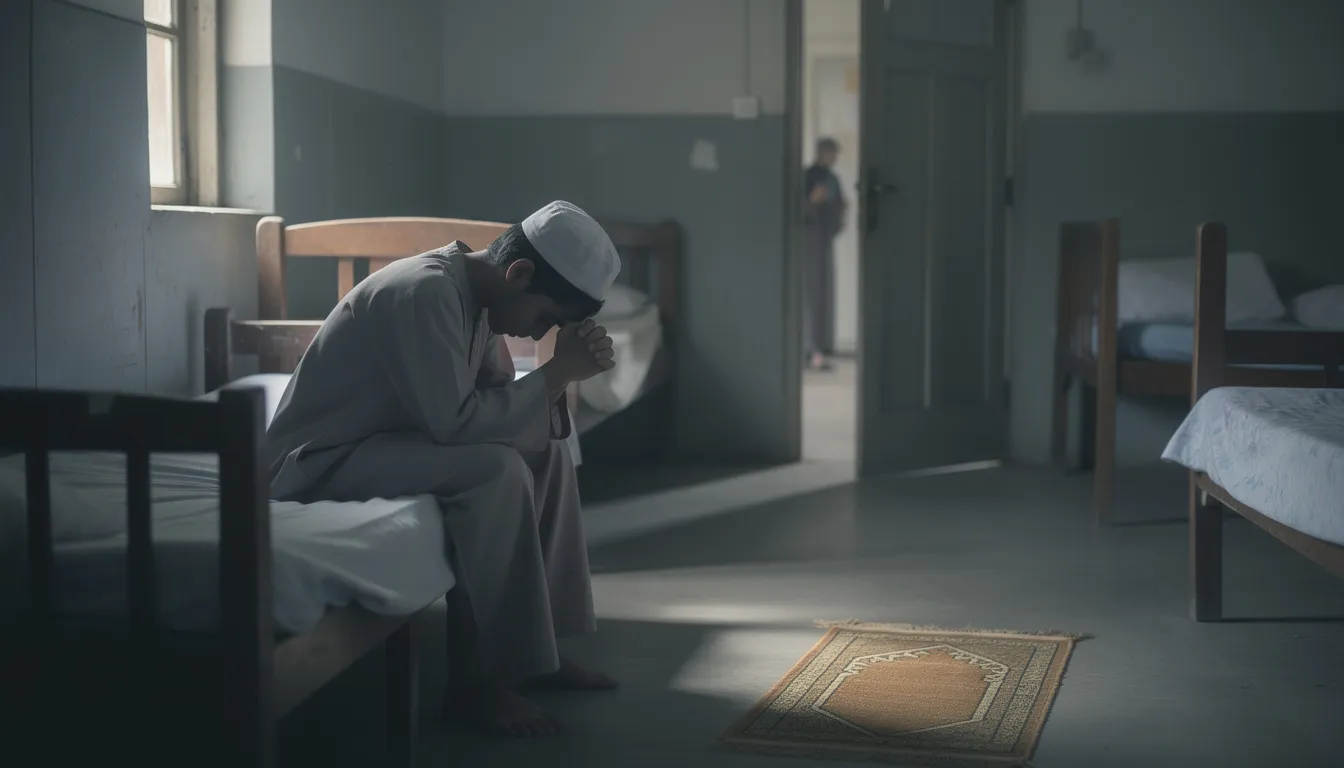
How Authority Becomes a Weapon
The transformation of spiritual authority into a tool of control operates through deliberate mechanisms that exploit the hierarchical structure embedded in pesantren life. A kiai’s position grants them unprecedented access to vulnerable adolescents during formative years, coupled with cultural expectations that students show absolute deference to their teachers. This dynamic creates an environment where boundary violations become possible precisely because questioning authority is framed as disrespect toward Islam itself. The abuse persists not through crude force, but through the manipulation of religious doctrine, perpetrators invoke sacred texts to justify their actions or silence victims, weaponizing the very faith students came to learn. When institutional oversight remains absent and accountability structures fail to function, this concentrated power becomes a pathway for exploitation that operates in plain sight, hidden behind the legitimacy of religious instruction.
When Sacred Duty Becomes Predatory Control
The psychological mechanisms underlying this abuse operate on a foundation of spiritual dependency. Santri are taught to view their kiai not merely as teachers but as spiritual fathers whose guidance extends into every dimension of life, moral, intellectual, and personal. This veneration creates an asymmetry where questioning authority becomes equated with questioning faith itself. Abusers exploit this conflation deliberately, framing their demands as religious obligations rather than personal impositions. When a student resists, they face not only institutional punishment but the existential threat of spiritual rejection, making resistance feel like apostasy. This psychological entrapment proves far more effective than physical coercion alone, as it transforms the victim’s own conscience into an instrument of compliance.
When Sacred Duty Becomes a Mask for Harm
The psychological mechanisms sustaining this abuse operate through a calculated erosion of boundaries. Kiai employ selective scriptural interpretation to justify their conduct, framing inappropriate behavior as spiritual discipline or necessary correction. Santri internalize these justifications, struggling to reconcile the abuse with their reverence for Islamic teachings. This cognitive dissonance creates a paralysis, victims simultaneously love and fear their abusers, making disclosure feel like betrayal of faith itself. The institutional silence that follows compounds the trauma, as pesantren prioritize reputation over accountability, leaving survivors isolated within the very community meant to protect them.
The crisis of belief within pesantren walls demands urgent institutional reform and cultural reckoning. When kiai weaponize spiritual authority, they corrode the foundational trust that makes religious education possible, leaving survivors questioning not just their abusers, but the faith itself. Rebuilding this trust requires pesantren leadership to prioritize transparency, accountability mechanisms, and survivor support over institutional reputation. Until these institutions acknowledge that safeguarding students is inseparable from safeguarding Islam itself, the betrayal will continue to echo through generations of believers.
FAQs: Islamic Boarding School Abuse – Crisis of Belief in Religious Institutions
Q: What constitutes harassment or abuse in Islamic boarding schools (pesantren)?
A: Harassment in pesantren can include physical punishment, verbal abuse, psychological manipulation, and exploitation of power dynamics between kiai (religious teachers) and santri (students). Such abuses undermine the educational and spiritual mission of these institutions and damage students’ trust in religious authority.
Q: How does abuse by kiai affect santri’s faith and relationship with Islam?
A: When religious leaders engage in harassment or abuse, it creates a crisis of belief where santri question the authenticity of Islamic teachings and the integrity of religious institutions. This betrayal of trust can lead to long-term spiritual trauma and disillusionment with organized religion.
Q: What steps are being taken to address and prevent abuse in pesantren?
A: Various Indonesian organizations, including Nahdlatul Ulama and civil society groups, are increasingly documenting cases and advocating for institutional reforms, transparency, and accountability mechanisms within pesantren to protect students and restore faith in religious education.
1. Informasi Berita Kiai Pesantren Terbaru Hari Ini – NU Online
2. Kumpulan Berita Santri Terbaru Dan Terkini
3. [PDF] RELIGIOUS NETWORKS IN MADURA Pesantren, Nahdlatul Ulama …
4. PESANTREN: SANTRI, KIAI, DAN TRADISI – PDF Free Download
5. The Cultural Authority of the Kiai: Pesantren, Charisma, and the Shaping of Indonesia’s Religious Identity | Syarif Hidayatullah State Islamic University Jakarta Official Website
If you’ve experienced or witnessed abuse within a pesantren, your voice matters, reporting to trusted authorities, counselors, or organizations dedicated to safeguarding religious communities can break the cycle of silence and protect others from harm. Take the step today to seek support or speak up, healing begins when survivors are believed, and institutional change follows only when accountability is demanded.