what kind of Teacher Honorary yogyakarta
Did you know that thousands of Indonesians choose to become honorary teachers despite earning a fraction of what civil servant educators make? This growing workforce fills critical gaps in schools across Yogyakarta, yet many aspiring teachers remain unclear about what the role truly demands and whether it’s the right path for their career.
Honorary teaching positions in Yogyakarta come in various forms, each with distinct responsibilities and expectations. Some teachers work in public schools under government contracts, while others serve private institutions or community based learning centers. The role itself varies widely, some honorary teachers handle full classroom responsibilities across multiple grades, while others specialize in specific subjects or support roles. Understanding these distinctions helps clarify what you’re actually signing up for, whether you’re drawn to the flexibility, the opportunity to make an immediate impact, or simply seeking entry into the education sector. This guide walks you through the landscape of honorary teaching in Yogyakarta, breaking down the different pathways and what each genuinely entails.
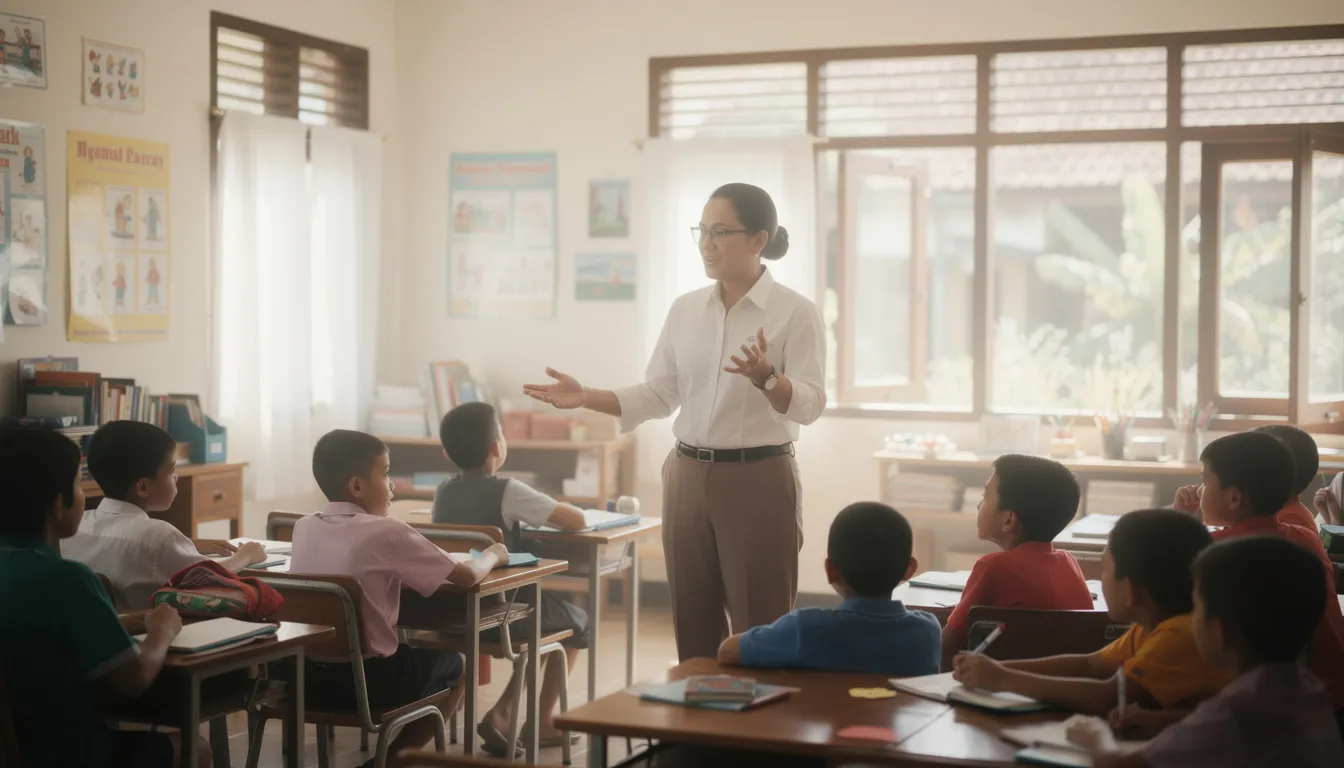
The Real Landscape: Public Schools, Private Institutions, and Beyond
Public schools in Yogyakarta typically employ honorary teachers through government contracts, offering stability but modest compensation tied to regional education budgets. Private institutions operate with greater flexibility, hiring teachers based on immediate enrollment needs and curriculum demands, often providing higher salaries but less job security. Community learning centers and vocational training programs present a third pathway, where honorary teachers frequently design curriculum alongside teaching, blending pedagogical and administrative responsibilities. Each setting shapes your daily work fundamentally, public school teachers navigate standardized curricula and formal reporting structures, while private sector roles demand adaptability to shifting institutional priorities.
Beyond the Classroom: Hidden Costs and Trade Offs
Subject matter expertise stands as a foundational requirement that often gets overlooked. Beyond basic teaching credentials, many schools in Yogyakarta seek honorary teachers who demonstrate solid command of their subject area, whether that’s mathematics, language instruction, or vocational skills. This doesn’t necessarily mean advanced degrees, practical experience and proven ability to explain concepts clearly matter equally. Schools increasingly value teachers who can adapt their teaching methods to mixed ability classrooms, a skill particularly important given the diverse student populations found across Yogyakarta’s educational institutions.
Beyond the Classroom: Hidden Costs and Trade offs
Community based learning centers represent a third pathway that’s often overlooked but increasingly vital in Yogyakarta’s education ecosystem. These centers, ranging from informal tutoring hubs to structured non formal education programs, frequently hire honorary teachers to deliver targeted instruction in specific subjects or skill areas. The expectations here differ markedly from school settings: you might work with smaller, mixed age groups, enjoy greater curriculum flexibility, and face less bureaucratic oversight. However, this freedom comes with trade offs: compensation tends to be lower, job security is minimal, and professional development opportunities are scarce. Understanding whether this environment suits your teaching style matters as much as the financial considerations.
Beyond the Classroom: Skills and Qualities That Matter Most
Subject matter expertise matters significantly in honorary teaching roles. While some positions accept candidates with only a high school diploma, many schools, particularly those offering advanced curricula, seek teachers with bachelor’s degrees in relevant fields. Beyond formal qualifications, schools assess your subject knowledge through practical demonstrations or interviews. If you’re applying for specialized subjects like mathematics, English, or sciences, expect scrutiny on your depth of understanding. Even for general teaching roles, demonstrating competency in core subjects strengthens your candidacy considerably.
Beyond the Paycheck: Skills and Qualities That Matter Most
Subject matter expertise forms the backbone of effective honorary teaching. Beyond basic educational qualifications, Yogyakarta’s schools increasingly seek teachers who demonstrate mastery in their assigned subjects or grade levels. This means staying current with curriculum changes, understanding pedagogical approaches specific to your discipline, and being prepared to teach across multiple topics if assigned to lower grades. Many successful honorary teachers invest in professional development workshops or online courses to strengthen their credentials, making themselves more valuable to schools and more confident in the classroom.
Honorary teaching in Yogyakarta ultimately represents a pragmatic entry point into education, one that demands realistic expectations about compensation, job security, and workload. Whether you’re drawn to immediate classroom impact or building experience toward a civil servant position, success hinges on understanding your specific role’s demands and the institution’s support structures. The path isn’t glamorous, but for many educators, it’s where meaningful teaching begins.
If you’re considering an honorary teaching position in Yogyakarta, start by identifying which type aligns with your circumstances, whether you’re seeking stable government contracted work, flexible private school opportunities, or community based roles. Research specific schools or institutions now, connect with current honorary teachers to understand daily realities, and verify you meet the baseline qualifications before submitting applications.