artemis roket mission
The Artemis rocket mission is not just a return to the Moon, it represents humanity’s bold leap toward becoming a multi planetary species. As we stand on the brink of this new era, one question looms large: How will the lessons learned from Artemis II shape our future explorations of Mars and beyond?
The Artemis rocket mission, particularly Artemis II, marks a pivotal moment in human space exploration. By leveraging the advancements in technology and engineering, this mission sets the groundwork for future manned missions to Mars. The focus on comprehensive testing of the Space Launch System and Orion spacecraft ensures that the lessons learned will directly inform the design and execution of deeper space missions. As we venture beyond the Moon, the knowledge gained from Artemis II will enhance our understanding of long duration space travel, ultimately paving the way for sustainable human presence on other celestial bodies. This mission is not merely a historic revisit, it’s a crucial step toward expanding humanity’s reach in the cosmos.
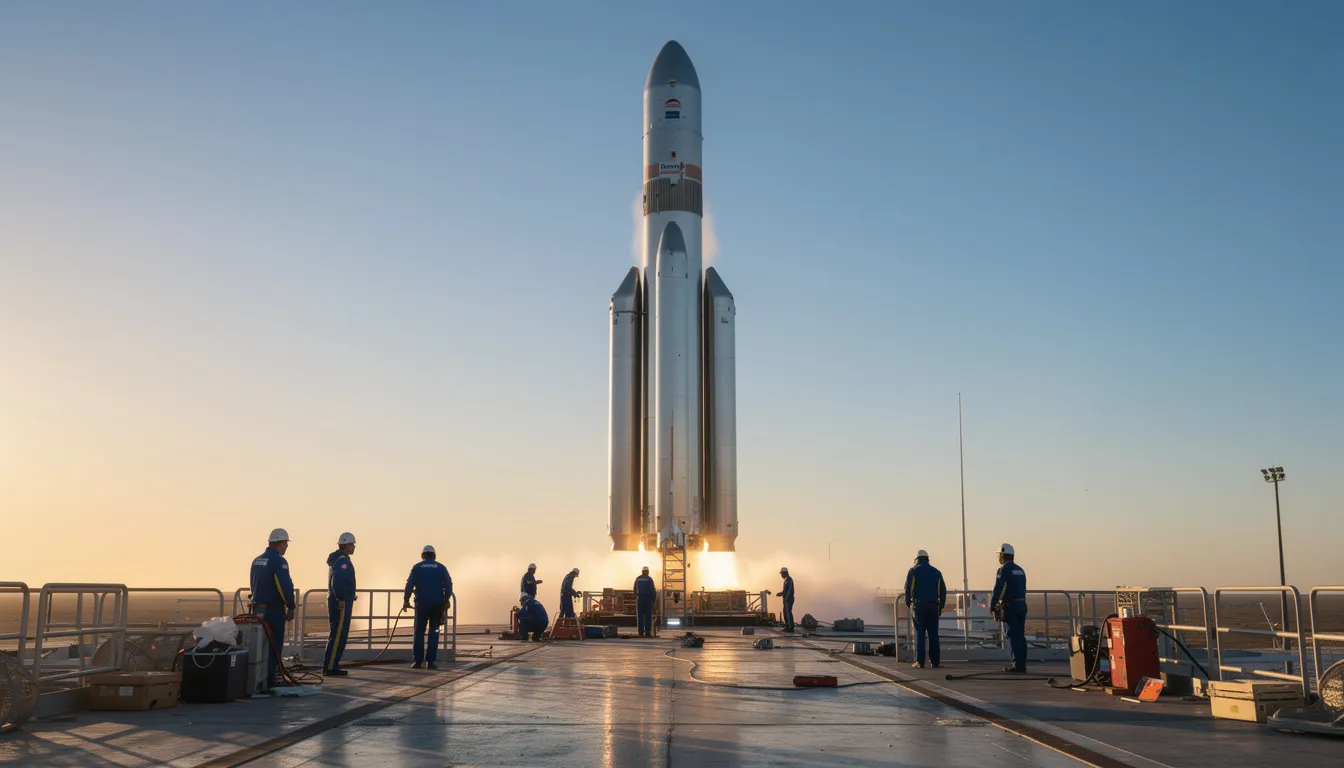
Pioneering the Future of Lunar and Martian Exploration
Artemis II serves as a critical testbed for the advanced technology that will underpin future deep space missions. A significant focus of this mission is the development of robust space to ground communication systems. By utilizing state of the art 4K video capabilities, Artemis II will not only enhance data transmission quality but also provide unprecedented visual documentation of the lunar flyby. This will allow mission control to analyze real time information more effectively, facilitating better decision making and operational adjustments. Such advancements in communication technology are essential, as they will be vital for maintaining contact with astronauts during longer missions to Mars, where communication delays could significantly impact safety and mission success.
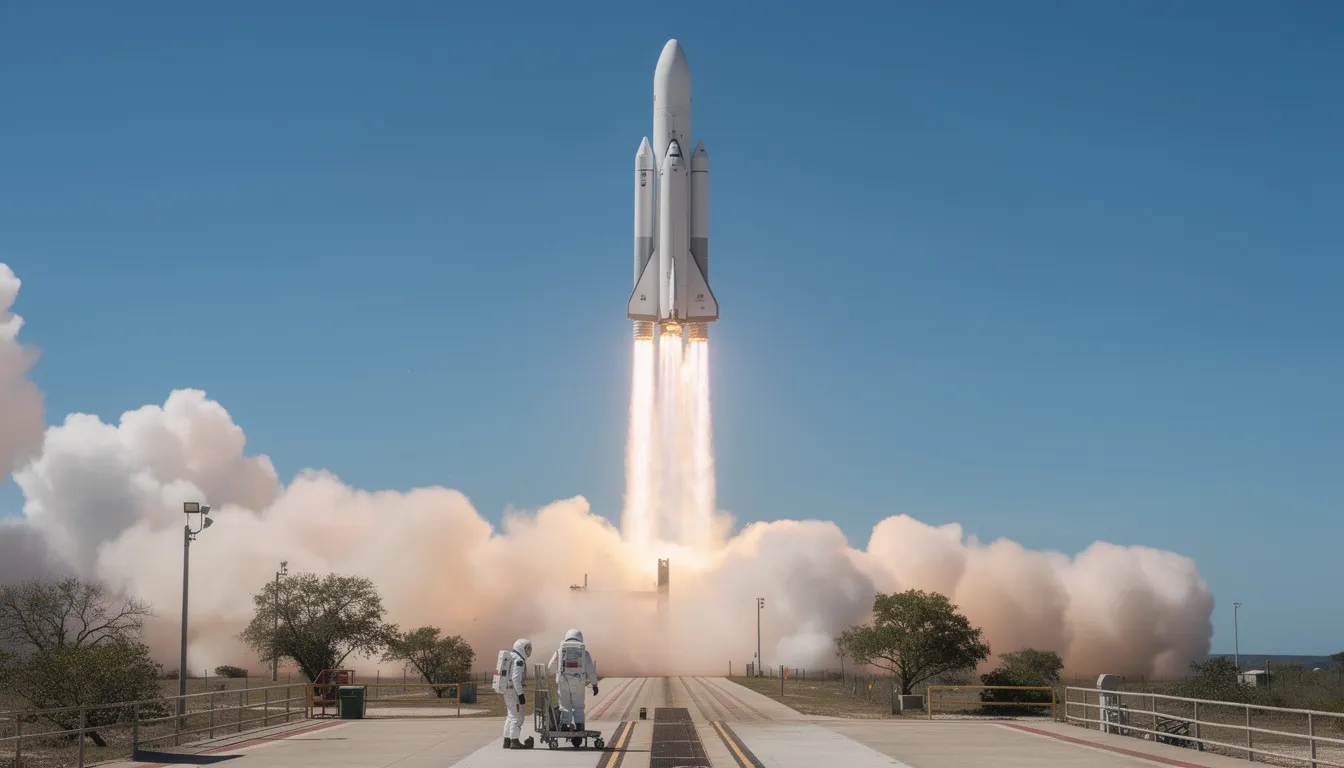
Charting New Paths in Cosmic Discovery
One of the standout features of Artemis II is its emphasis on advanced communication technology. This mission will test a robust space to ground communication system, which includes the transmission of high definition video from the Orion spacecraft as it orbits the Moon. Such capabilities are crucial not only for real time mission monitoring but also for enhancing public engagement with space exploration. By providing vivid imagery and live updates, NASA aims to foster a deeper connection between Earth and the missions taking place beyond our atmosphere. The successful implementation of this technology will set a precedent for future missions, ensuring that astronauts remain connected to mission control and to the public, no matter how far they venture into space.
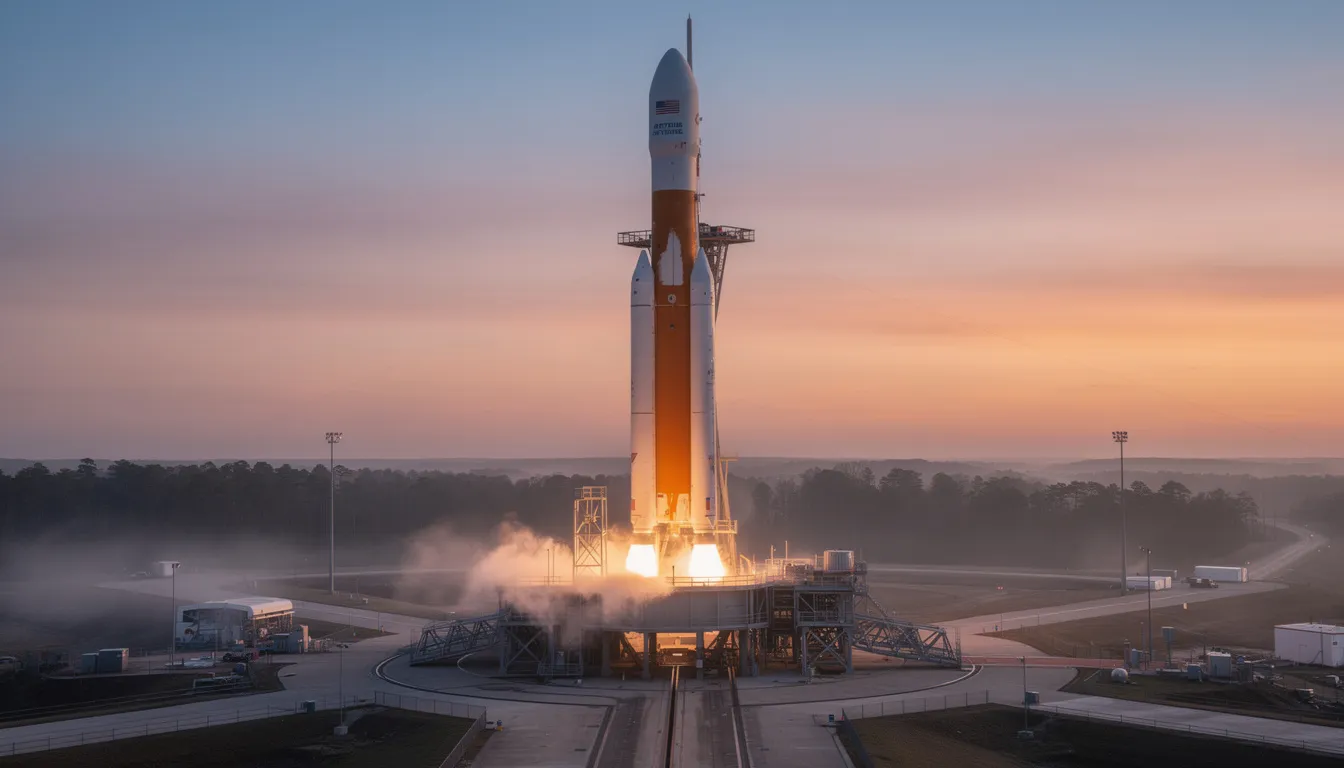
Laying the Groundwork for Interplanetary Travel
The Artemis II mission is set to revolutionize our approach to deep space communication. One of its standout features is the implementation of advanced communication technologies that will facilitate real time data transfer between the spacecraft and mission control. By utilizing high bandwidth systems, Artemis II aims to stream 4K video footage of its lunar flyby, providing unprecedented visual insights into the mission. This capability not only enhances public engagement but also establishes a framework for future missions, where similar technologies will be crucial for maintaining contact over vast distances, particularly as we set our sights on Mars and beyond. The success of these communications will be pivotal for mission safety and operational efficiency.
As we conclude our exploration of the Artemis rocket mission, it becomes clear that Artemis II is not merely a milestone, it is a foundational step toward a future where humanity can thrive beyond Earth. The insights gleaned from this mission will not only enhance our lunar endeavors but also serve as the critical groundwork for future missions to Mars and beyond. Ultimately, Artemis II embodies the spirit of exploration and innovation, driving us closer to becoming a truly multi planetary species.
Q: What is the primary goal of the Artemis rocket mission?
A: The primary goal of the Artemis rocket mission, including Artemis II, is to return humans to the Moon after Apollo 17 in 1972 and to advance human exploration further into space.
Q: What is significant about Artemis II?
A: Artemis II is NASA’s first crewed mission using the Space Launch System (SLS) and the Orion spacecraft, serving as a crucial demonstration of their readiness for human spaceflight.
Q: What key components are involved in the Artemis rocket mission?
A: The Artemis rocket mission utilizes the Space Launch System (SLS) as the launch vehicle and the Orion spacecraft for crewed missions beyond low Earth orbit.
As we embark on this remarkable journey with the Artemis rocket mission, your engagement matters more than ever. Stay informed, support space exploration initiatives, and advocate for continued investment in the technologies that will take us to the Moon and beyond. Join the movement to ensure the future of space travel is bright and full of possibilities!