How to Protect Your OpenAI API Key From Phishing Scams
Use Free Tools to Verify Suspicious Links
Free link checking tools stand as a first barrier against phishing before a suspicious address lands in your browser. EmailVeritas URL Checker analyzes a link without opening it, examining domain registration, SSL certificates, redirect chains, and blacklist status. Within two seconds, it returns a verdict. PHISHING. MALWARE. That result stops a risky click before it happens.
EasyDMARC’s Phishing Link Checker takes another approach. It uses an AI algorithm with over 90% accuracy against a database of millions of malicious URLs. These checks reveal warning signs before a developer follows a link or enters OpenAI credentials. Automated tools have limits, though. Developers must layer in sound security practices around every API integration.
Credentials belong in environment variables, not buried in source code where exposure spreads through repositories. If a leak is suspected, revoke the API key immediately in the service provider’s dashboard. That action prevents fraudulent use while the incident gets further review.
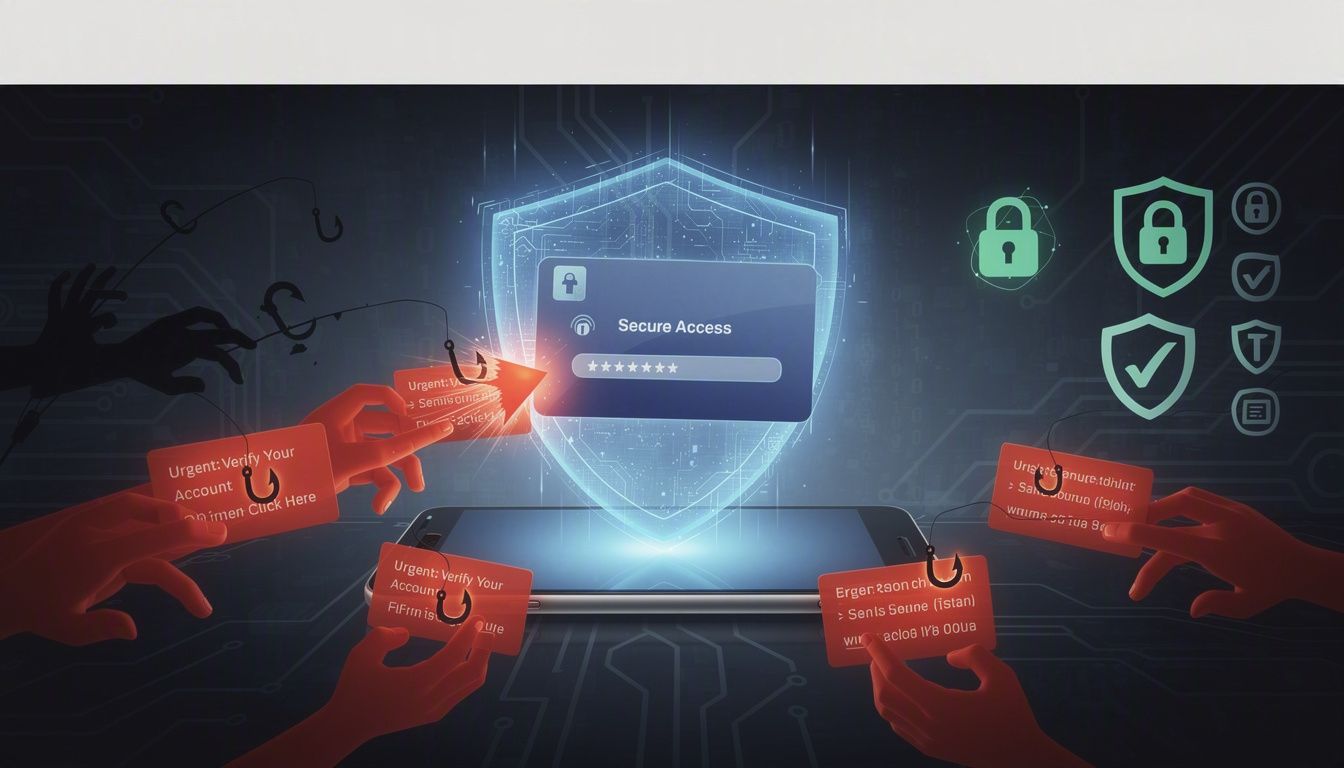
For developers, an OpenAI API key is a powerful asset. Direct service access comes with real risk. A leaked key opens the door to unauthorized access, service abuse, and unexpected bills that pile up before anyone catches on. The exposure often happens quietly. A developer commits sk-tIAWSBPi0pQV9Fff6ed04w to a public repository during a routine update. Within minutes, the credential spreads. Anyone can copy it, use it, drain resources with it. The fallout extends beyond one person. Team budgets take hits. Staff spend hours investigating unfamiliar activity. Projects stall. Phishing attacks create another pathway to the same disaster. Scammers build convincing imitations of trusted services, then direct developers to fake websites designed to harvest credentials. The messages look legitimate. They arrive at the right moment, when someone is rushed or distracted. Even experienced developers fall for them. This is why every unsolicited link deserves suspicion. No exceptions. The sender might seem trustworthy. The design might be flawless. A moment of hesitation before clicking costs nothing. It protects individual access and shared resources from costly misuse.