Unpacking Ahaihihihi The Meaning Behind the Internet’s Favorite Laugh
From Text to GIFs The Evolution of Online Laughter
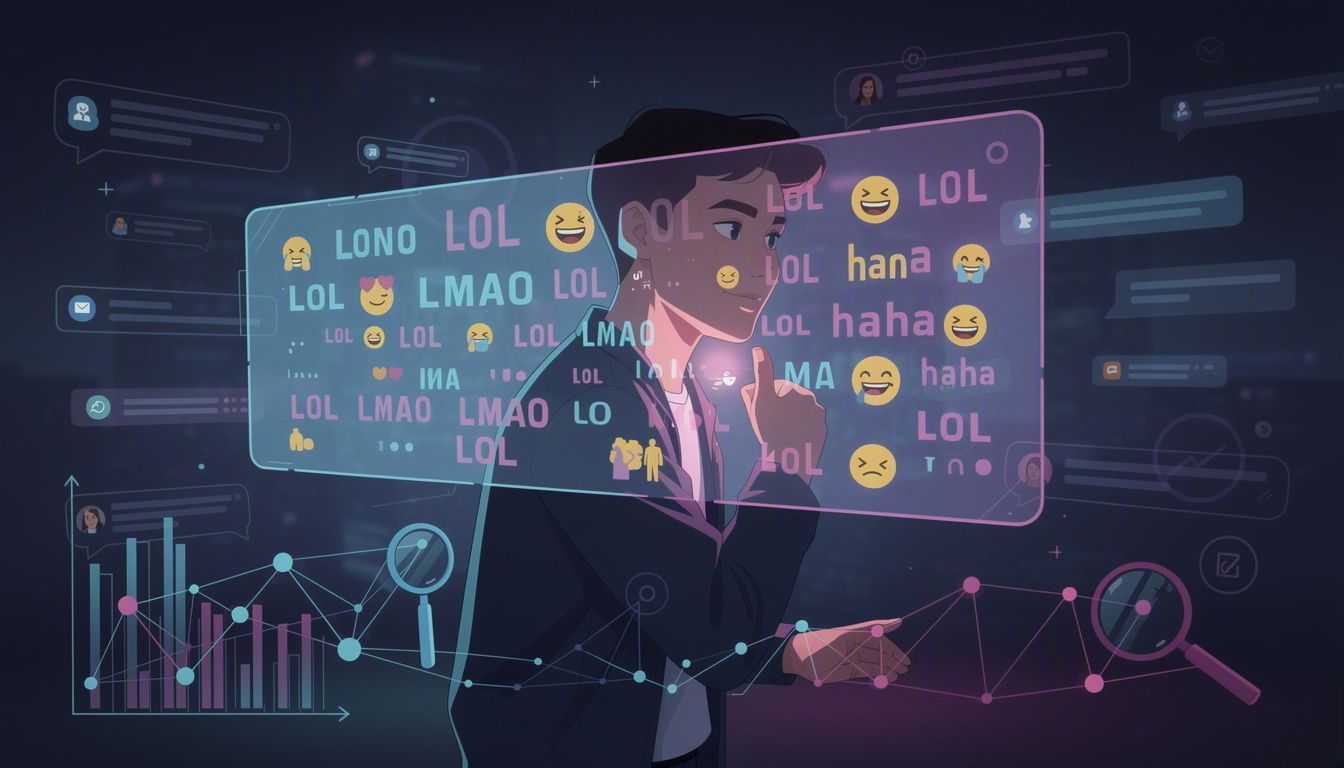
Digital laughter began with simple typed phrases that let people signal amusement across early online spaces. Ahaihihihi follows that path, turning written sound into a recognizable sign of delight. Users reshaped these phrases into many forms, including haha, lol, and heheh. Text offered a quick way to show feeling without voices or facial cues.
Over time, repeated use turned these signals into flexible markers of tone and playfulness. Amusement became global and visual, helping explain the meme origin of many internet trends. Words now travel across cultures, while each language adds its own shape to a familiar reaction. Turkish uses gulme, French uses sourire, and Japanese uses 大笑い, or ōwarai, for a big laugh.
Visual media made these expressions common companions to funny smile GIFs and reaction images. Such images can replace words, strengthen a joke, or show amusement when text feels limited. Every variation serves one purpose, conveying amusement in digital space.
Ahaihihihi is a popular internet expression of laughter and amusement in online conversations. As internet slang, it represents a lighthearted, often continuous laugh or giggle that resembles hihihihi. Digital speakers use it to express genuine amusement with few characters. In casual exchanges, it can also signal a smile or playful laugh. The expression belongs to a wider family of digital reactions, including hahahha, heheh, loll, and ouais. French-speaking online communities often use ouais colloquially to show agreement or amusement. These forms give people flexible ways to shape emotional meaning during brief exchanges. Ahaihihihi frequently appears beside GIFs, whose movement can strengthen its mood and clarify the sender’s reaction.