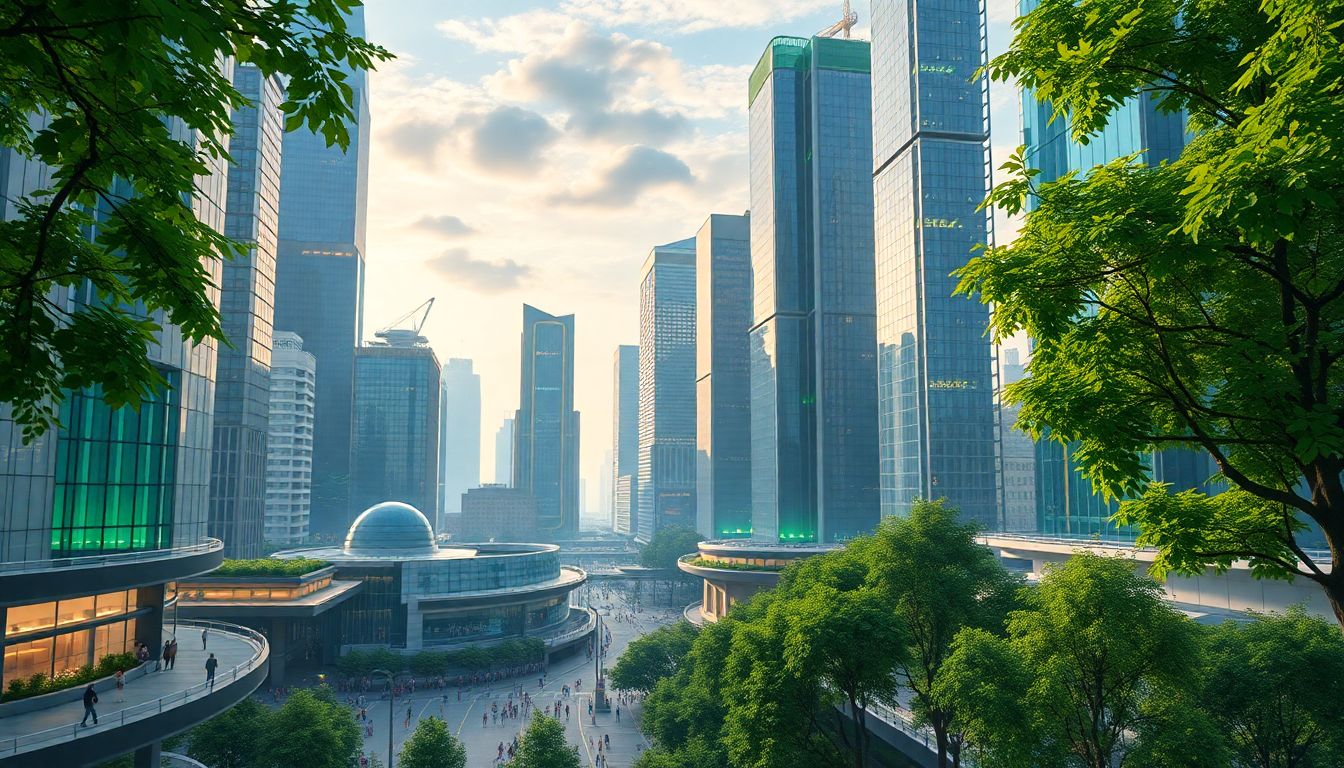
Future Green Cities: Clean, Smart, Resilient Tomorrow
Future green cities need clean heat first. Heating demand shapes emissions today. District heating cuts city fuel use. One plant can serve many homes. This arrangement reduces overall energy losses. The plant runs on low carbon heat. It can use renewables as primary. Factories also provide useful waste heat. Data centers generate additional heat too. Heat pipes move warmth across districts. Insulated networks prevent heat from escaping.
Buildings receive the delivered warmth reliably. A heat pump can boost temperatures. This supports comfort even during cold spells. Residents get steady warmth year round. Smoky boilers disappear from neighborhoods. Cities begin with a single corridor. Workers lay insulated pipes underground carefully. They connect buildings to the network. Next, smart meters are installed. Meters track hourly heat consumption patterns. Operators use the data immediately.
They adjust flow to match demand. That prevents excess energy and waste. Green rules guide every system decision. They determine the optimal mix of sources. Plants use renewables when conditions allow. Clean backup sources matter most. They include low emission generation for peaks. Heat stays stable through changing seasons. The approach scales up across districts. Each phase extends service into new zones. City waste becomes usable comfort. Future cities can reduce pollution significantly. Future cities win.